


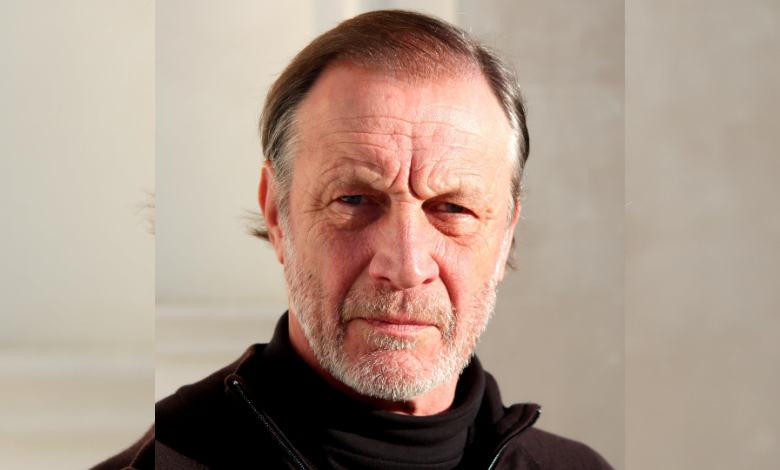
Andrew Bicknell is a British actor best known for his work as a character performer across film, television, theatre, and voice-related projects. His career has included British productions, international screen work, and appearances in recognizable titles such as House of the Dragon and Last Night in Soho. Rather than being defined by one single leading role, Bicknell’s public profile is built around range, longevity, and the ability to support different kinds of stories through distinctive screen and stage performances.
A careful biography of Andrew Bicknell requires attention to one important point: some public sources present different birth details. IMDb and Prime Video describe him as being born in 1957 in Colchester, while Rotten Tomatoes lists his birthday as June 17, 1956, and his birthplace as Taunton, Somerset, England. Because these details are inconsistent across public listings, the most accurate approach is to acknowledge the difference rather than treat one version as certain without a primary source.
Early Life and Background
Andrew Bicknell’s early personal background is not extensively documented in public sources. What is more clearly available is his professional path: he trained in classical acting at the Webber Douglas Academy in London, an institution associated with formal theatrical training. This background helps explain why he has often been described as a versatile character actor, capable of moving between theatre, television, film, and international productions.
Public profiles also connect Bicknell’s early career with the Bristol Old Vic Theatre and the BBC. That combination suggests a foundation in both stage performance and broadcast work, two important areas in British acting careers. Theatre experience can be especially valuable for character actors because it develops voice control, physical presence, timing, and the ability to adapt to different roles without relying on a single screen identity.
Profile Summary
| Field | Detail |
|---|---|
| Full Name | Andrew Bicknell / Andrew Dean Bicknell |
| Profession | Actor, character actor |
| Known For | Film, television, theatre, international screen work |
| Birth Date | Public sources vary: June 17, 1956, or 1957 |
| Birthplace | Public sources vary: Taunton, United Kingdom, or Colchester |
| Age | 69, based on June 17, 1956 birth date |
| Height | 1.87 m / around 6 ft 1 in |
| Nationality | British / English actor |
| Training | Webber Douglas Academy, London |
| Early Career | Bristol Old Vic Theatre and BBC work |
| Recent Credits | House of the Dragon, Last Night in Soho |
| Public Data Note | Personal-life information is limited and should not be expanded without verified sources |
Training at Webber Douglas Academy
Bicknell’s classical training at the Webber Douglas Academy is one of the most consistent professional details found in public biographical material. Classical training usually involves exposure to stage technique, voice work, movement, and dramatic texts, particularly older theatrical traditions. For an actor like Bicknell, this kind of foundation is relevant because much of his career has involved roles that require authority, period style, or strong supporting presence rather than celebrity-driven performance.
His training also places him within a tradition of British actors who move fluidly between stage and screen. That movement is visible in the way his work appears across theatre listings, television credits, and film databases. Theatricalia, for example, records his appearance as Peaseblossom in A Midsummer Night’s Dream with the Bristol Old Vic Theatre Company in 1980, showing that stage work formed part of his early public record.
Theatre Work and Early Career
Theatre appears to be an important part of Andrew Bicknell’s professional foundation. His association with Bristol Old Vic connects him to one of Britain’s long-established theatrical environments. While detailed records of every stage performance are limited, available theatre listings support the view that his acting career was not only built through screen work but also through live performance.
This stage background matters because character actors often rely on craft rather than publicity. A performer working in theatre must create a clear role in real time, often with limited technical support compared with film and television. That experience can translate well into supporting screen roles, where an actor may have limited time to establish a believable figure within a larger story.
Film and Television Career
Andrew Bicknell’s film and television career includes a broad range of credits. TV Guide lists him as an actor with many screen appearances, including House of the Dragon, Last Night in Soho, All Those Small Things, Young Wallander, De Gaulle, Carnival Row, The Rook, Game of Thrones, Grantchester, The Royals, Victoria, Upstart Crow, SS-GB, The Durrells, Houdini & Doyle, War & Peace, and Transporter. This range shows the pattern of a working actor whose career spans different genres and production styles.
His recent credits have increased his visibility among modern audiences. Hobsons International notes House of the Dragon and Last Night in Soho among his recent credits, while TV Guide identifies his role in House of the Dragon as Dragonkeeper Elder and his role in Last Night in Soho as Mr. Pointer. These appearances connect him with high-profile contemporary productions while still fitting his wider pattern as a character actor.
Rotten Tomatoes also lists several films associated with Bicknell’s screen career, including Heidi, Last Night in Soho, Dhoom 3, Lady Jane, A Dog of Flanders, 31 North 62 East, Buffalo Girls, The Whipping Boy, Billy the Kid, and One in the Chamber. These credits reflect a varied filmography rather than a career limited to one national market or one type of role.
International Work
One notable feature of Andrew Bicknell’s profile is the international spread of his work. Public biographies describe him as having worked in the USA, UK, and European film industries. Prime Video’s biography also states that he moved to Los Angeles in 1987 and worked between the USA and Europe for several years. This detail supports the idea that Bicknell’s career developed beyond a purely domestic British acting path.
International work often requires adaptability. Actors moving between industries may encounter different production methods, accents, casting expectations, and storytelling styles. Bicknell’s filmography, which includes British television, American-linked productions, European projects, and Bollywood titles such as Dhoom 3, reflects a career shaped by professional flexibility.
Andrew Bicknell as a Character Actor
The phrase “character actor” is central to understanding Andrew Bicknell’s career. A character actor is usually not defined by one glamorous public image or a single recurring persona. Instead, the value of this kind of performer comes from reliability, transformation, and the ability to make supporting roles feel specific. Bicknell’s credits across fantasy, period drama, thriller, historical drama, and international cinema fit that description.
His work in productions such as House of the Dragon, Victoria, War & Peace, The Durrells, and Last Night in Soho shows how character actors contribute to world-building. These roles may not always dominate promotional material, but they help create texture, credibility, and atmosphere. In period and fantasy productions especially, supporting performers often play an important role in making the setting feel lived-in and convincing.
Philanthropy / Public Engagement
There is no strong, clearly documented public record of Andrew Bicknell being widely associated with formal philanthropy, charity campaigns, or public activism. Available professional profiles focus mainly on his acting, voice work, training, and filmography. For that reason, it would be inaccurate to attach causes or public-service roles to his biography without reliable documentation.
This absence should not be treated negatively. Many actors, especially character actors, maintain a low public profile outside their work. A factual biography should respect that boundary and avoid turning limited personal information into speculation.
Public Perception and Misconceptions
One common misunderstanding about Andrew Bicknell is that he is only a screen actor. His professional background includes theatre training and stage work, and his early career is connected with Bristol Old Vic and the BBC. Reducing his career to film appearances alone misses the theatrical foundation behind his work.
Another misconception involves his birth details. Some sources list 1957 and Colchester, while others list June 17, 1956, and Taunton, Somerset. Because these public records differ, responsible writing should avoid presenting uncertain personal data as final fact. The safest wording is to say that public sources differ on his exact birth date and birthplace. (IMDb)
A third misconception is that character actors are minor or unimportant performers. In reality, character actors are often essential to film and television storytelling. They provide credibility, tension, authority, humor, or atmosphere depending on the role. Bicknell’s career demonstrates that a performer can have a long and active professional life without being defined by celebrity culture.
Privacy and Limited Public Data
Andrew Bicknell’s private life is not heavily covered in mainstream public sources. Details about family, relationships, and personal history are limited, and a factual article should not invent them for the sake of completeness. In biographical writing, the absence of information is not an invitation to guess; it is a reason to stay focused on documented professional material.
This is especially important for actors whose public identity is built around work rather than personal publicity. Bicknell’s available record gives enough material to discuss his training, theatre background, international acting career, and notable credits. It does not justify claims about private life, finances, political views, or personal relationships unless supported by reliable sources.
Legacy and Future
Andrew Bicknell’s legacy is best understood through professional consistency. His career reflects the path of a classically trained British actor who has worked across stage, television, film, and international productions. He has appeared in both major titles and smaller projects, building a filmography that shows range rather than dependence on one defining role.
His continued relevance comes from the same qualities that define many successful character actors: adaptability, discipline, and the ability to support different kinds of stories. Recent credits such as House of the Dragon and Last Night in Soho show that he remains connected to productions with broad audience reach. However, any discussion of his future should remain careful; unless new roles are officially announced, it is better to describe his career pattern rather than predict specific next steps.
FAQs About Andrew Bicknell
Who is Andrew Bicknell?
Andrew Bicknell is a British actor known for character roles in film, television, and theatre.
What is Andrew Bicknell known for?
He is known for versatile character acting and appearances in productions such as House of the Dragon, Last Night in Soho, and other film and TV projects.
When was Andrew Bicknell born?
Public sources differ; some list June 17, 1956, while others state 1957.
Where was Andrew Bicknell born?
Public listings vary between Taunton and Colchester, so the article should mention the inconsistency carefully.
How tall is Andrew Bicknell?
His height is commonly listed as approximately 1.87 m.
Where did Andrew Bicknell train as an actor?
He trained at the Webber Douglas Academy in London.
Conclusion
Andrew Bicknell is a British character actor with a career shaped by classical training, theatre experience, and a long record of film and television work. His background at the Webber Douglas Academy, early association with Bristol Old Vic and the BBC, and later appearances across UK, US, and European productions all point to a performer with strong professional range.
The most accurate way to present his biography is to focus on documented facts: his acting training, theatre roots, international work, and recognizable screen credits. Because public sources differ on his birth details and offer limited information about his private life, a responsible profile should avoid speculation. Viewed through his body of work, Andrew Bicknell stands as a versatile British character actor whose career reflects craft, longevity, and adaptability across stage and screen.