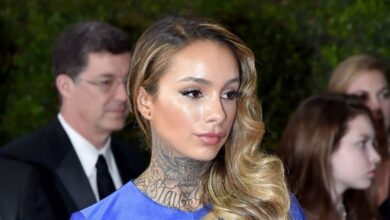



Munira Mirza is a British political adviser, writer, and public policy figure who became widely known for her work in Downing Street and for her long professional connection with Boris Johnson. Many people search for her because she played an important role in British government, especially as Director of the Number 10 Policy Unit, one of the key advisory posts around a prime minister.
She also stands out because her career has crossed several fields, including culture, education, academia, and political strategy. Before working in Number 10, she had already built a public profile through writing, policy work, and senior roles in London government.
| Field | Details |
|---|---|
| Full Name | Munira Mirza |
| Birth Year | 1978 |
| Birthplace | Oldham, Greater Manchester, England |
| Nationality | British |
| Profession | Political Adviser, Policy Expert, Writer |
| Known For | Serving as Director of the Number 10 Policy Unit under Boris Johnson |
| Previous Office | Director of the Number 10 Policy Unit (2019–2022) |
| Education | Breeze Hill School, Oldham Sixth Form College, Mansfield College, Oxford, University of Kent |
| Spouse | Dougie Smith |
| Public Profile | Known for work in British politics, public policy, culture, and education |
Early Life and Background
Munira Mirza was born in Oldham, in Greater Manchester, and her early life is closely linked to that town. Public biographies focus mainly on her education, writing, and public work rather than on detailed family history, but it is clear that her early years in Oldham formed the local background to her later academic and political path.
She went to Breeze Hill School and then Oldham Sixth Form College before moving on to higher education. That journey from local schooling in Oldham to national public life is one reason her story attracts interest.
Education and Academic Journey
Mirza studied at Mansfield College, Oxford, where later profiles describe her as having read English at Oxford University. She then continued her education at the University of Kent, where she completed advanced study in sociology, including a PhD.
Her doctoral thesis at Kent was titled Between Universalism and Diversity: Contradictions of Local Cultural Policy in Tower Hamlets and Oldham. This shows that her academic work was already focused on culture, identity, and public policy long before she entered the highest level of government.
That mix of English and sociology gave her both a humanities background and a policy-focused research base. It helps explain why her later work often sat at the meeting point of politics, culture, education, and social debate.
Also Read: Judey Napoli: Career, Leadership, and Professional Background
Early Career and Policy Interests
Before her best-known government roles, Mirza worked across cultural and policy organisations. A London government biography says she worked with the Royal Society of Arts, the think tank Policy Exchange, and Tate, while King’s College London noted that she had published books and regularly wrote and spoke about culture, politics, and social policy.
Her intellectual interests were already clear in this early period. A Policy Exchange publication described her as someone who wrote and broadcast about race, culture, and identity, and noted her work on Living Apart Together: British Muslims and the Paradox of Multiculturalism. She also later published The Politics of Culture: The Case for Universalism.
Because of that writing, Mirza became associated with debates on multiculturalism, social cohesion, culture policy, and the role of public institutions. Her name often appears in discussions not only about politics, but also about wider arguments over identity and national life in Britain.
Working with Boris Johnson in London
A major stage in her career began when she worked for Boris Johnson during his years as Mayor of London. Official London government material says she worked in culture-related leadership roles and later became Deputy Mayor for Education and Culture.
This period matters because it established her as one of Johnson’s trusted policy figures long before he became prime minister. An official ACOBA advice letter later noted that in her London role she helped lead a £40 million investment programme in education and youth.
Her London work also strengthened her reputation in culture and education policy. She was not simply a background adviser; she held visible responsibilities and became closely linked with the city’s education and cultural agenda.
Also Read: Jeff Swickard: Career, Leadership, and Success in the Automotive Industry
Role as Director of the Number 10 Policy Unit
When Boris Johnson became prime minister in July 2019, Munira Mirza was appointed Director of the Number 10 Policy Unit. This moved her from city politics into the center of British government.
The Number 10 Policy Unit is important because it gives direct policy advice to the prime minister and helps shape thinking across major areas of government. The Institute for Government describes Number 10 as housing a policy unit with advisers and civil servants working across fields such as economics, health, education, housing, and foreign affairs, while Parliament’s Public Administration and Constitutional Affairs Committee described the unit as a source of policy advice independent of departments.
Mirza served in that role until February 2022. During that time, she was widely seen as one of the most influential policy voices around Johnson, especially on domestic policy and culture-related debates.
Resignation from Downing Street
Mirza resigned in February 2022, and her departure quickly became a major political story in the UK. Reuters reported that she left her position after Boris Johnson made remarks in Parliament about Labour leader Keir Starmer and Jimmy Savile, and that she believed Johnson should have apologised.
Her resignation mattered because she was a long-time Johnson ally, not a distant critic. Reuters noted that she had worked with him for 14 years, which made her decision especially important in the public debate around his leadership.
In simple terms, her resignation was seen as more than a staffing change. It became part of a wider political crisis around Johnson’s government and drew even more attention to Mirza’s influence and judgment.
Views, Ideas, and Public Profile
Munira Mirza’s public profile is shaped not only by her jobs, but also by her ideas. Her academic work, policy writing, and public commentary have often focused on culture, identity, race, and multiculturalism.
This is why she is regularly described as a figure in wider ideological debates, not only as a political adviser. Public discussion around her often connects her with arguments about cultural policy, institutional thinking, and how Britain should understand diversity and citizenship.
Even after leaving government, that reputation has stayed with her. She remains a recognizable name in discussions about public leadership, political ideas, and Britain’s culture debate.
Life Beyond Government
After leaving Downing Street, Mirza continued working in public life rather than disappearing from view. Official and professional profiles link her with Civic Future, a non-partisan organisation focused on encouraging talented people to enter public leadership.
Recent reporting and profiles also show that she has remained active in public debate and policy circles. That suggests her influence now extends beyond formal government office into leadership development, public discussion, and institutional reform.
Also Read: Who Is Imogen Faires? Early Life, Career, TV Shows, and More
Personal Life
On the personal side, Munira Mirza is married to political adviser Dougie Smith. Public profiles generally keep this part of her life brief, and most coverage focuses on her professional work rather than private details.
Why Munira Mirza Matters
Munira Mirza matters in British political discussion because she represents more than one kind of public figure. She has been an academic, a writer on culture and identity, a London deputy mayor, and a senior Downing Street adviser. That mix gives her a different profile from many political staff figures who are known only inside Westminster.
She also matters because she has worked close to power while keeping a strong ideas-based identity. Whether people agree with her or not, her role in debates on culture, public policy, and government leadership has made her a lasting figure in modern British politics.
FAQs
Who is Munira Mirza?
Munira Mirza is a British political adviser and writer who became widely known for serving as Director of the Number 10 Policy Unit under Boris Johnson.
What was her role in Downing Street?
She led the Number 10 Policy Unit, a key advisory body that helps provide policy advice to the prime minister across major areas of government.
Why did Munira Mirza resign?
She resigned in February 2022 after Boris Johnson’s remarks about Keir Starmer and Jimmy Savile, saying there was no fair basis for that claim and that an apology was needed.
What is she doing now?
Recent public profiles connect her with Civic Future and show that she remains active in public leadership and policy discussions after leaving government.
Conclusion
Munira Mirza has built a unique place in British public life through her work in policy, education, culture, and politics. From her early academic journey in Oldham and Oxford to her senior role in Downing Street, she has remained closely connected to important debates about government, society, and national identity.
Her career shows how ideas can shape real political decisions. Whether people know her for her work with Boris Johnson, her writing on multiculturalism, or her influence in public policy, Munira Mirza remains a significant figure in modern British politics. That is why interest in her life and career continues today.