


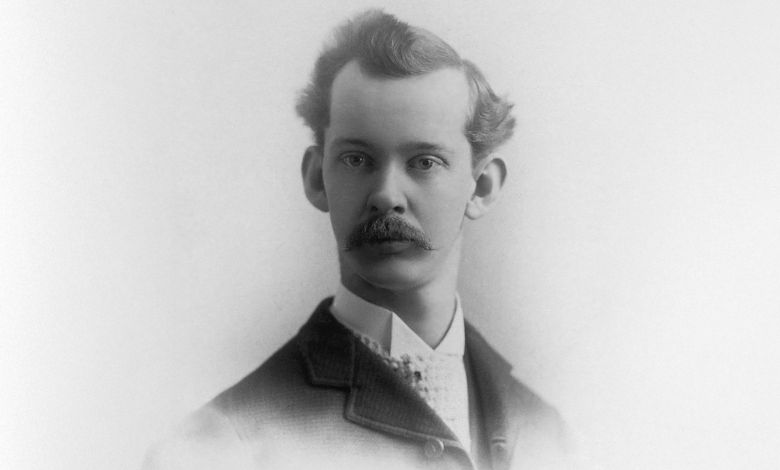
Wilbur Lincoln Scoville was an American pharmacist best known for creating the Scoville Organoleptic Test, the method that became the basis of the Scoville scale. His name remains closely connected with the measurement of chili pepper heat, but his professional background was rooted in pharmacy, chemistry, education, and pharmaceutical writing.
Born in Bridgeport, Connecticut, in 1865, Scoville lived during a period when pharmacy was becoming more organized as a scientific profession in the United States. His work combined practical pharmacy with measurement-based testing. The Scoville scale, first developed in 1912 while he was working with Parke-Davis, became his most widely recognized contribution.
This article presents a factual biography of Wilbur Scoville, focusing on verified information about his early life, education, career, family, achievements, public reputation, and lasting influence. Where public records are limited, the article clearly notes those gaps instead of making unsupported claims.
Also Read: Lisa Clark Biography: Facts About the Big Brother Australia Reality Star
Featured Snippet Section
Who was Wilbur Scoville?
Wilbur Scoville was an American pharmacist, educator, and author best known for creating the Scoville Organoleptic Test in 1912. The test became the foundation of the Scoville scale, which is used to describe the heat or pungency of chili peppers and related products.
What is Wilbur Scoville famous for?
Wilbur Scoville is famous for developing the Scoville Organoleptic Test, a method used to measure pepper heat. His test helped create the Scoville scale, a widely recognized system for expressing the pungency of chili peppers in Scoville Heat Units.
When was Wilbur Scoville born?
Wilbur Scoville was born on January 22, 1865, in Bridgeport, Connecticut, United States. Public sources identify him as Wilbur Lincoln Scoville and connect his early professional development to pharmacy and chemistry.
When did Wilbur Scoville die?
Wilbur Scoville died on March 10, 1942, in Gainesville, Florida, United States. He was 77 years old at the time of his death. Public biographical summaries focus mainly on his professional achievements rather than detailed accounts of his later private life.
What is the Scoville scale?
The Scoville scale is a measurement system used to express the heat or pungency of chili peppers. It is associated with Scoville Heat Units, often shortened to SHU. The scale is named after Wilbur Scoville, who developed the original organoleptic test in 1912.
Profile Summary
| Field | Details |
|---|---|
| Full Name | Wilbur Lincoln Scoville |
| Known As | Wilbur Scoville |
| Profession | Pharmacist, educator, author |
| Best Known For | Creating the Scoville Organoleptic Test |
| Related Measurement | Scoville scale |
| Date of Birth | January 22, 1865 |
| Birthplace | Bridgeport, Connecticut, United States |
| Date of Death | March 10, 1942 |
| Place of Death | Gainesville, Florida, United States |
| Age at Death | 77 years |
| Nationality | American |
| Parents | Lemuel Scoville and Adeline Augusta Ewing Fuller |
| Children | Amy Augusta and Ruth Upham |
| Major Work | The Art of Compounding |
| Main Field | Pharmacy and chemical measurement |
Early Life and Background
Wilbur Lincoln Scoville was born in Bridgeport, Connecticut, on January 22, 1865. His parents were Lemuel Scoville and Adeline Augusta Ewing Fuller. Publicly available biographical sources provide basic details about his birth and family, but they do not offer a full picture of his childhood or private upbringing.
Because detailed information about his early years is limited, it is more accurate to focus on the verified direction of his professional life. Scoville became associated with pharmacy at a young age and later built a career that linked pharmaceutical practice, education, writing, and scientific testing.
His early life is important mainly because it led to a long professional connection with pharmacy. However, there is not enough widely available evidence to make strong claims about his personal interests, childhood experiences, or private motivations.
Education
Publicly available sources identify Scoville’s formal training in pharmacy. He attended the Massachusetts College of Pharmacy, an institution now connected with MCPHS University. He earned a Graduate of Pharmacy degree in 1889, which helped form the academic and professional basis of his later work.
Some sources also report later academic achievements and honorary recognition. However, education details should be handled carefully because older pharmacy credentials and titles can be misunderstood when compared with modern degree systems. The safest approach is to state that Scoville received formal pharmacy training and became professionally active in pharmaceutical education and research.
His education placed him within a growing professional field. Pharmacy at the time involved compounding, drug preparation, chemical knowledge, and practical testing. These areas would later shape his writing and his best-known contribution, the Scoville Organoleptic Test.
Career and Professional Journey
Wilbur Scoville’s career was broader than the pepper scale for which he is now remembered. He worked as a pharmacist, educator, author, and researcher. His professional life showed a strong connection to applied pharmacy, especially compounding and pharmaceutical formulation.
One of his most important written works was The Art of Compounding, first published in 1895. The book became a recognized pharmacy reference and went through several editions. It addressed practical areas of pharmacy, including prescriptions, compounding, preparation methods, and related professional standards.
Scoville also wrote Extracts and Perfumes, a work connected with formulations and applied pharmaceutical knowledge. These publications show that his expertise extended beyond chili peppers. He was part of a professional culture focused on accurate preparation, measurement, and practical scientific instruction.
He also held an academic role at the Massachusetts College of Pharmacy. Public sources report that he served as a professor of pharmacy and applied pharmacy. This teaching background is important because it shows his role in shaping pharmacy knowledge, not only practicing it.
In 1912, while working with Parke-Davis, a pharmaceutical company, Scoville developed the method now known as the Scoville Organoleptic Test. The purpose was to measure pungency, especially the heat associated with chili peppers. The test later became standardized as the Scoville scale.
Origin of the Scoville Scale
The Scoville scale began with the Scoville Organoleptic Test. The word “organoleptic” refers to testing based on human senses, such as taste. Scoville’s method involved diluting pepper extract until the heat could no longer be detected by a panel of tasters. The amount of dilution helped determine the pepper’s level of pungency.
This method reflected the scientific tools and testing standards of its time. It was not the same as modern laboratory analysis, but it offered a structured way to compare pepper heat. The result was expressed in what later became known as Scoville Heat Units, or SHU.
The heat in peppers is mainly linked to capsaicinoids, with capsaicin being the best-known compound. Modern methods can measure these compounds more precisely, but the Scoville scale remains a familiar public reference. It is still widely used in discussions of chili peppers, hot sauces, food products, and spicy foods.
Scoville’s achievement was not the discovery of chili peppers or capsaicin itself. His contribution was creating a practical testing method that connected sensory experience with a measurable scale.
Major Achievements and Recognition
Wilbur Scoville’s most recognized achievement is the creation of the Scoville Organoleptic Test in 1912. This method gave his name a lasting place in both pharmacy history and food science. More than a century later, the Scoville scale continues to be used by scientists, food writers, sauce makers, and consumers.
His publications were also important. The Art of Compounding helped establish him as a serious figure in pharmacy education and practice. It reflected the technical knowledge required in pharmaceutical preparation during his era.
Scoville also received professional recognition within pharmacy. Public sources report that he received the Ebert Prize in 1922 and the Remington Honor Medal in 1929. The Remington Honor Medal is associated with distinguished service and achievement in American pharmacy.
These achievements show that Scoville was not only remembered because of pepper heat. During his lifetime and professional career, he was recognized as a contributor to pharmacy.
Also Read: Vickie Lynn Swayze Biography: Facts About Patrick Swayze’s Sister
Personal Life
Wilbur Scoville was the son of Lemuel Scoville and Adeline Augusta Ewing Fuller. Public records also list his children as Amy Augusta and Ruth Upham. Some biographical summaries identify Cora B. Upham as his wife.
As with many historical professional figures, the public record focuses more on his work than on his private life. There is limited reliable information about his personal relationships, daily habits, beliefs, or family circumstances. For that reason, a responsible biography should avoid speculating about his personality or private experiences.
The most verifiable personal details are his birth, death, parents, and children. Anything beyond that should be included only when supported by reliable historical documentation.
Philanthropy and Public Engagement
There is no widely documented public record showing Wilbur Scoville as a major philanthropist or public campaign figure. His public contribution appears mainly through pharmacy education, professional writing, and scientific testing.
This does not mean he had no personal charitable interests. It only means that available public information does not clearly document them. In a fact-based biography, it is better to acknowledge the lack of public evidence than to add unsupported claims.
Public Perception and Misconceptions
Wilbur Scoville is publicly remembered mainly as the man behind the Scoville scale. This has made his name familiar far beyond the pharmacy profession. Many people encounter his name through hot sauce labels, chili pepper rankings, cooking articles, and food science discussions.
One common misconception is that Scoville invented chili peppers or spicy food measurement in a modern laboratory form. In fact, he created a sensory test that became the basis of a widely used scale. The method was important for its time but has since been supplemented by more precise chemical analysis.
Another misconception is that his professional life was only about peppers. Scoville was first and foremost a pharmacist. His publications, teaching work, and professional awards show a broader contribution to pharmaceutical practice.
A third misconception is that his personal life is fully documented. In reality, public information about his private life is limited. Most available material focuses on his career and the Scoville scale.
Privacy and Limited Public Information
Although Wilbur Scoville remains historically notable, many details about his private life are not widely available. Modern readers may expect full biographies with personal stories, but historical records are often incomplete, especially for professional figures who were not celebrities.
Reliable public information supports the main facts of his life: his birth in 1865, his death in 1942, his work in pharmacy, his role in developing the Scoville Organoleptic Test, and his connection to the Scoville scale. Details about his childhood, personal beliefs, private relationships, and daily life are limited.
A responsible article should respect these gaps. It should not invent emotional narratives, private motivations, or undocumented events.
Legacy and Influence
Wilbur Scoville’s legacy is unusual because it crosses professional boundaries. He came from pharmacy, but his name is now widely known in food science, culinary culture, and consumer products. The Scoville scale remains one of the most recognizable measurement systems associated with taste and heat.
His work also shows how pharmaceutical methods influenced broader scientific measurement. The original test was based on sensory response, but it helped create a shared language for comparing pepper pungency. Even as modern chemical testing has improved accuracy, the Scoville scale remains a practical and familiar reference.
Scoville’s legacy continues because his name is attached to a concept people still use. Whether someone is reading a hot sauce label or comparing chili peppers, the word “Scoville” remains part of the conversation.
FAQ Section
Who created the Scoville scale?
Wilbur Lincoln Scoville created the Scoville Organoleptic Test in 1912. The method became the basis for the Scoville scale, which measures the pungency or heat of chili peppers and related substances.
Was Wilbur Scoville a scientist or pharmacist?
Wilbur Scoville was an American pharmacist with a strong background in pharmacy, chemistry, education, and pharmaceutical writing. He is often described as a pharmacist and chemist because his work involved measurement, compounding, and applied pharmaceutical knowledge.
Did Wilbur Scoville invent hot peppers?
No. Wilbur Scoville did not invent hot peppers. His contribution was creating a method to measure pepper heat. The Scoville Organoleptic Test helped compare pungency and later became the basis of the Scoville scale.
Why is Wilbur Scoville important?
Wilbur Scoville is important because his testing method created a widely recognized way to describe pepper heat. His name remains connected with Scoville Heat Units, a common measurement used in food science, hot sauce labeling, and chili pepper discussions.
Conclusion
Wilbur Lincoln Scoville was an American pharmacist whose name became permanently linked with the measurement of chili pepper heat. Born in Bridgeport, Connecticut, in 1865, he built a professional life in pharmacy, education, writing, and applied scientific testing.
His most famous contribution, the Scoville Organoleptic Test, was developed in 1912 while he was working with Parke-Davis. The method became the foundation of the Scoville scale, which remains widely recognized today.
Although many private details about Scoville’s life are limited, the verified facts show a professional figure whose influence extended beyond pharmacy. His legacy continues through the Scoville scale, a measurement system that remains part of scientific, culinary, and popular language more than a century after its creation.