


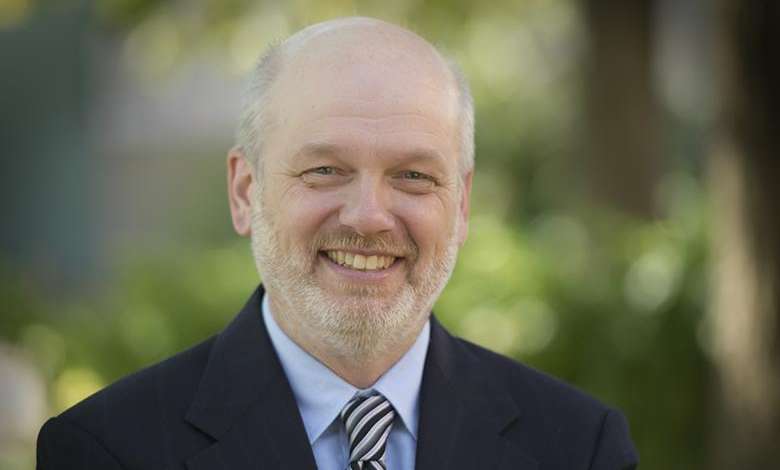
Paul Goodwin is an English conductor and former oboist who has built a respected name in the world of classical music. He is best known for his work with orchestras, historically informed performances, and recordings that show his deep understanding of early music and modern concert traditions.
Paul Goodwin was born on September 2, 1956, in Warwick, England. Over the years, he has become known for his musical knowledge, strong conducting style, and ability to bring classical compositions to life with clarity and emotion.
Quick Bio About Paul Goodwin
| Details | Information |
|---|---|
| Full Name | Paul Goodwin |
| Profession | Conductor, former oboist |
| Date of Birth | September 2, 1956 |
| Age | 69 years |
| Birthplace | Warwick, England |
| Nationality | English/British |
| Education | University of Nottingham |
| Known For | Classical conducting, oboe, historical performance |
| Notable Album | John Tavener: Eternity’s Sunrise |
| Instrument | Oboe |
Who Is Paul Goodwin?
Paul Goodwin is a respected figure in classical music. He first became known as a talented oboist before moving into conducting. His early experience as a performer helped him develop a strong understanding of orchestral sound, musical timing, and instrumental detail.
As a conductor, Paul Goodwin is known for connecting older classical music styles with modern orchestral performance. He has worked with a wide range of music, from Baroque and Classical-period works to contemporary compositions. This wide musical range has helped him stand out as a flexible and thoughtful conductor.
His work is especially valued because he understands both the history of music and the needs of modern audiences. He does not simply perform old music; he studies the style, structure, and spirit behind it. This makes his performances feel rich, balanced, and authentic.
Also Read: Dido Harding: A Pioneering British Leader in Business and Public Service
Early Life and Education
Paul Goodwin was born in Warwick, England, on September 2, 1956. From an early stage, music became an important part of his life. His interest in composition, performance, and classical sound later shaped his professional journey.
He studied at the University of Nottingham, where he graduated with a degree in composition. This education gave him a strong base in music theory, structure, and creative writing for music. Understanding composition also helped him later as a conductor because it allowed him to read music with deeper meaning.
After his time at the University of Nottingham, Paul Goodwin continued his musical training at the Guildhall School of Music and Drama in London. He also studied in Vienna, a city famous for its classical music history. These experiences helped him grow as a serious musician and prepared him for a long career in performance and conducting.
Paul Goodwin’s Career as an Oboist
Before becoming a conductor, Paul Goodwin was a skilled oboist. The oboe is a woodwind instrument known for its clear, expressive, and sometimes emotional sound. Playing it at a professional level requires strong breath control, musical sensitivity, and technical skill.
Paul Goodwin played historical oboes and became known for his work in early music performance. He served as principal oboist with respected groups such as The English Concert and the London Classical Players. These ensembles are closely connected with historically informed performance, which focuses on playing music in a style close to how it may have sounded in the composer’s time.
Transition From Oboist to Conductor
Paul Goodwin gradually moved from playing the oboe to conducting. This transition allowed him to use his musical knowledge in a larger and more leading role. Instead of performing one instrumental part, he began shaping the full sound of an orchestra or ensemble.
He started focusing more seriously on conducting in the 1990s. To develop his skills further, he studied conducting in Helsinki with Jorma Panula, a well-known conducting teacher. This training helped him build confidence, technique, and a deeper understanding of how to guide musicians during a performance.
His background as an oboist gave him a strong foundation as a conductor. He understood phrasing, breathing, rhythm, and ensemble balance from a performer’s point of view. This made his conducting style practical, musical, and sensitive to the needs of the players.
Also Read: Who Is John Penrose? A Prominent British Political Figure
Major Work as a Conductor
Paul Goodwin has worked with several respected orchestras and music organizations. His conducting career includes important work with the Academy of Ancient Music, the English Chamber Orchestra, the Carmel Bach Festival, and many other ensembles.
His work with the Academy of Ancient Music is especially important because the group is known for early music and historically informed performance. This matched well with Goodwin’s own musical background and interest in performing older works with care and authenticity.
He also had an important leadership role at the Carmel Bach Festival, where he served as Artistic Director and Principal Conductor from 2010 to 2021. In this position, he helped guide the artistic direction of the festival and brought his experience in Baroque, Classical, and choral music to a wider audience.
Through these roles, Paul Goodwin became known not only as a conductor but also as a musical leader. His career shows dedication to quality performance, historical understanding, and artistic expression.
Music Style and Speciality
Paul Goodwin is widely known for historically informed performance. In simple words, this means performing older music in a way that respects the style, instruments, and sound of the time when the music was written.
For example, music by composers such as Bach, Handel, and Mozart can sound different depending on how it is performed. Historically informed performance looks at things like tempo, instrument type, tone, phrasing, and musical decoration. The goal is not only to play the notes correctly but also to understand the world behind the music.
Goodwin’s speciality lies in combining historical knowledge with modern performance quality. He respects the original style of classical works while still making them clear and enjoyable for today’s listeners.
Also Read: Munira Mirza: Life, Career, and Political Influence
Albums and Recordings
Paul Goodwin has also built a strong recording career. As a conductor, he has recorded music by major composers such as Handel, Mozart, Bach, John Tavener, Britten, Elgar, and others. These recordings show his ability to work across different styles and periods of classical music.
One notable work connected with him is John Tavener: Eternity’s Sunrise. John Tavener’s music is known for its spiritual depth, calm beauty, and emotional atmosphere. Goodwin’s connection with this type of music shows that he is comfortable with both early classical traditions and more modern spiritual compositions.
Recordings are an important part of a conductor’s legacy. They allow listeners around the world to experience the conductor’s interpretation even outside the concert hall. For Paul Goodwin, his albums and recorded performances help show his musical range, discipline, and artistic taste.
Awards and Recognition
Paul Goodwin has received recognition for his contribution to classical music. One important honor was the Handel Prize of the City of Halle, which he received in 2007.
This award is connected with the music of George Frideric Handel, one of the great composers of the Baroque period. Receiving this prize shows Goodwin’s strong reputation in Handel performance and historically informed music.
Awards like this reflect the respect he has earned in the classical music world. They also show that his work is valued by music institutions, critics, and audiences who appreciate serious classical performance.
Paul Goodwin and Film/TV Connection
Some search results connect the name Paul Goodwin with Dalziel and Pascoe: A Killing Kindness. However, this detail should be handled carefully because several people share the same name.
For this article, Paul Goodwin’s main public identity is as an English conductor and former oboist. His strongest career focus is classical music, orchestral conducting, early music performance, and recordings. Any media-related listing should not be confused with his main professional work unless it is clearly verified.
Paul Goodwin LinkedIn and Public Profile
Many readers also search for Paul Goodwin on LinkedIn and other public platforms. Because there are several professionals named Paul Goodwin, it is important to check the details carefully.
Some people with this name work in art, education, business, or songwriting. This article is specifically about Paul Goodwin the conductor, who is known for classical music, oboe performance, historically informed interpretations, and orchestral leadership.
When researching him online, readers should look for details such as his birthdate, music background, University of Nottingham education, and conducting work to make sure they are reading about the correct person.
Also Read: Judey Napoli: Career, Leadership, and Professional Background
Why Paul Goodwin Is Important in Classical Music?
Paul Goodwin is important in classical music because he has experience from both sides of performance. He understands music as a former instrumentalist and as a conductor. This combination gives him a deep and practical view of how music should be performed.
His work in historically informed performance has helped audiences experience older music with greater detail and authenticity. He has also worked with respected orchestras and festivals, which shows the trust major music organizations have placed in his leadership.
Paul Goodwin’s career also shows the value of musical discipline. From his early years as an oboist to his later work as a conductor, he has built a professional path based on study, performance, leadership, and artistic respect.
Conclusion
Paul Goodwin is a talented English conductor and former oboist with a long and respected career in classical music. Born on September 2, 1956, in Warwick, England, he studied music seriously and developed his skills through education, performance, and conducting training.
His career includes important work as an oboist, conductor, recording artist, and artistic leader. He is especially known for historically informed performance, his work with respected orchestras, and his contribution to music by composers such as Handel, Bach, Mozart, John Tavener, Britten, and Elgar.
Through his education, recordings, leadership roles, and deep knowledge of classical music, Paul Goodwin continues to be an important name in the world of orchestral and early music performance.