

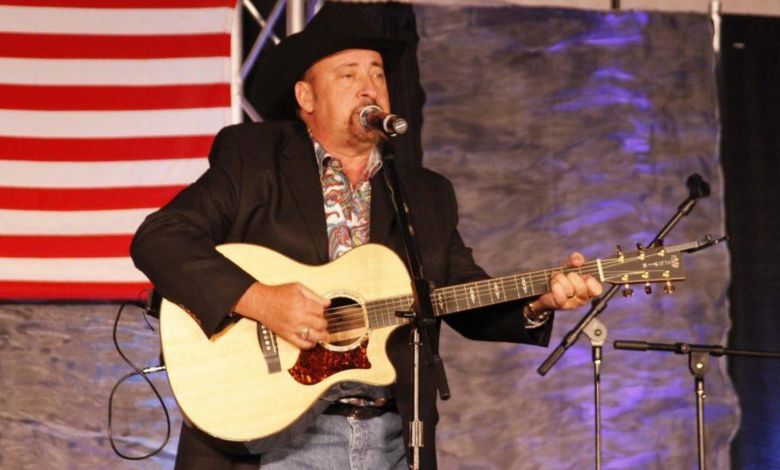
Chuck Day was an American guitarist, bassist, vocalist, and pianist whose career extended across five decades. Born Charles Wayne Day on August 5, 1942, he began recording as a teenager under the professional name Bing Day before becoming a supporting musician for several prominent recording artists.
Day worked in soul-blues, rhythm and blues, and rock music. His career included associations with Johnny Rivers, the Mamas & the Papas, and Shel Silverstein. He also recorded solo material, led his own band, and became an established figure in the music community of Fairfax, California.
Although he was rarely the featured name on commercially successful recordings, Day’s instrumental work connected him with several recognizable songs of the 1960s. He is particularly remembered for his reported contribution to the guitar introduction used on Johnny Rivers’ “Secret Agent Man.”
Also Read: James Droz Biography: Age, TikTok Career, “What Happened?” Catchphrase, and Achievements
Profile Summary
| Field | Details |
|---|---|
| Full name | Charles Wayne Day |
| Professional name | Chuck Day |
| Also known as | Bing Day |
| Born | August 5, 1942 |
| Place of origin | Chicago, Illinois, United States |
| Died | March 10, 2008 |
| Age at death | 65 |
| Place of death | Healdsburg, California, United States |
| Profession | Guitarist, bassist, vocalist, and pianist |
| Genres | Soul-blues and rhythm and blues |
| Instruments | Guitar, bass guitar, vocals, and piano |
| Years active | 1957–2007 |
| Selected associations | Johnny Rivers, the Mamas & the Papas, and Shel Silverstein |
| Early recording name | Bing Day |
Early Life and Background
Charles Wayne Day was born in Chicago, Illinois. Public accounts of his early years are limited, but his professional recording career began while he was still a teenager.
In 1957, at age 15, Day recorded “Pony Tail Partner” under the name Bing Day. The single was released by Federal Records with “Since You Left Me” on the opposite side. This release marked the beginning of a recording career that would continue, in different forms, for approximately 50 years.
Day issued additional singles during the late 1950s and early 1960s. His recordings as Bing Day included titles such as “Rain Silver Dollar,” “Poor Stagger Lee,” “Mama’s Place,” and “How Do I Do It.” He also used the recording name Ford Hopkins for some material.
These early releases placed him within the rhythm-and-blues and rock-and-roll market of the period. They also demonstrated that Day’s career began as a recording vocalist rather than exclusively as a supporting guitarist or bassist.
Career and Professional Journey
Move to Los Angeles
Day moved to Los Angeles in 1965, entering a music industry centered on studio sessions, touring bands, clubs, and an expanding rock scene. His ability to perform on several instruments allowed him to work in both featured and supporting roles.
One of his most important early Los Angeles associations was with singer and guitarist Johnny Rivers. Day became a bassist in Rivers’ band and was connected with recordings from the mid-1960s.
Johnny Rivers and “Secret Agent Man”
Day is widely credited in retrospective biographies with developing the recognizable guitar introduction associated with Johnny Rivers’ version of “Secret Agent Man.”
Day described his contribution more narrowly than some later accounts. In a recorded interview, he said that he created the guitar intro but did not co-write the song. The songwriting credits belong to P. F. Sloan and Steve Barri.
This distinction is important to Day’s biography. His role concerned the instrumental arrangement heard in Rivers’ performance rather than the composition of the song itself. The riff nevertheless became one of the best-known musical passages associated with Rivers’ recording career.
Work with the Mamas & the Papas
Biographical and discographical sources also connect Day with the Mamas & the Papas. He reportedly worked as a bassist and second guitarist in connection with the group.
Day has been credited with second-guitar contributions to “California Dreamin’” and “Monday, Monday,” two of the group’s most recognizable recordings. Because published session information from the period can vary, these contributions are best described as retrospective performance credits rather than principal artist credits.
His work with the group illustrates the supporting role he often occupied. Day’s name was not central to the marketing of the recordings, but his instrumental experience made him useful within professional studio and touring environments.
Later Recording and Session Work
During the 1970s and 1980s, Day continued working as a musician. His recorded associations included author, songwriter, and performer Shel Silverstein.
Day contributed to Silverstein’s Freakin’ at the Freakers Ball, an album originally released in 1972. The project combined country, folk, rock, comedy, and rhythm-and-blues elements, making Day’s broad musical background relevant to the recording.
Retrospective accounts also associate him with musicians Luther Tucker and Merl Saunders. His career was not confined to one genre, although blues and rhythm and blues remained central to his musical identity.
The Chuck Day Band
After years of supporting other performers, Day established a band under his own name during the 1980s. Sources differ slightly on whether the Chuck Day Band was formed in 1986 or 1987, so it is most accurately placed in the latter half of that decade.
The band gave Day a platform to perform as a lead vocalist and guitarist. It also strengthened his role within the Northern California blues community.
In 1997, the Chuck Day Band released Desperate Measures. The album represented a comparatively rare opportunity for Day’s name and musical direction to appear at the center of a recorded project.
Fairfax and Northern California Music
Day settled in Fairfax, California, and became closely associated with the local live-music scene. He performed regularly in the Marin County area and hosted a long-running Monday blues jam at the Fairfax venue 19 Broadway.
These performances gave developing and established musicians opportunities to play together. His importance in Fairfax therefore extended beyond his personal discography. He served as a bandleader and a continuing presence in a community built around live blues, rock, and rhythm and blues.
Day remained active until illness limited his ability to perform in 2007. He died in Healdsburg, California, on March 10, 2008, at age 65.
Major Achievements and Recognition
Chuck Day’s career was defined less by individual chart success than by longevity, versatility, and contributions to other artists’ work. He remained professionally active from his first teenage recording in 1957 until 2007.
His most frequently discussed musical contribution is the guitar introduction connected with Johnny Rivers’ “Secret Agent Man.” Day consistently distinguished between creating the riff and writing the song, providing a more precise account of his involvement.
His performance credits associated with the Mamas & the Papas also linked him to major recordings from the 1960s folk-rock era. Work with Shel Silverstein further demonstrated his ability to operate in varied recording settings.
Day’s multi-instrumental ability was another important part of his career. He worked on guitar and bass while also performing as a vocalist and pianist. This versatility supported his movement between solo recordings, touring groups, studio projects, and local bands.
Within Fairfax and the wider Marin County music community, he was recognized as a prominent live performer and musical mentor. A memorial event and parade were held in Fairfax following his death, reflecting his standing in the local cultural community.
Also Read: Phillip Fulmer Bio: Football Player, Coach, Athletic Director, and Hall of Famer
Frequently Asked Questions
Who was Chuck Day?
Chuck Day, born Charles Wayne Day, was an American guitarist, bassist, vocalist, and pianist. He recorded early singles as Bing Day and later worked with artists including Johnny Rivers, the Mamas & the Papas, and Shel Silverstein.
Why was Chuck Day called Bing Day?
Bing Day was the professional name he used for several early recordings. His first documented single, “Pony Tail Partner,” was released under that name by Federal Records in 1957.
What songs did Chuck Day record?
Day’s early recordings included “Pony Tail Partner,” “Since You Left Me,” “Rain Silver Dollar,” “Poor Stagger Lee,” “Mama’s Place,” and “How Do I Do It.” He later released material with the Chuck Day Band, including the 1997 album Desperate Measures.
Did Chuck Day create the “Secret Agent Man” guitar riff?
Day said that he created the guitar introduction used in Johnny Rivers’ performance of “Secret Agent Man.” He did not claim to have written the song, which was composed by P. F. Sloan and Steve Barri.
When and where did Chuck Day die?
Chuck Day died on March 10, 2008, in Healdsburg, California. He was 65 years old and had remained musically active until illness interrupted his career in 2007.
Conclusion
Chuck Day built a long career as a versatile American musician whose work crossed rhythm and blues, soul-blues, rock, and related styles. Beginning as the teenage recording artist Bing Day, he later became a bassist, guitarist, session contributor, bandleader, and established Northern California performer.
His career connected him with Johnny Rivers, the Mamas & the Papas, and Shel Silverstein. His reported creation of the guitar introduction used on “Secret Agent Man” remains his most widely recognized instrumental contribution.
Day’s legacy also rests on his sustained involvement in live music. Through the Chuck Day Band and his performances in Fairfax, he maintained a career that extended well beyond his best-known 1960s associations. He died in 2008 after approximately five decades of professional musical activity.